Friday, October 18, 2013

Birds Of A Feather - Celebration


 Today, Canary Tales Blog, established in 2009, hits an amazing 300,000 page views!

Top ten viewer countries today:

1. United States

2. Canada

3. United Kingdom

4. Indonesia

5. Australia

6. South Africa

7. Turkey

8. Mexico

9. Singapore

10.Germany

Let's Celebrate how Canary Culture unites people all over the world!
French Apple Cake Pictured Above
One 9-inch (23 cm) cake
Adapted from Around My French Table by Dorie Greenspan
Dorie doesn’t specify any type of apple but instead advises that you should use a mix of them.
  • 3/4 cup (110g) flour
  • 3/4 teaspoon baking powder
  • pinch of salt
  • 4 large apples (a mix of varieties)
  • 2 large eggs, at room temperature
  • 3/4 cup (150g) sugar (you can also substitute Splenda by using 3/4 c. splenda instead of sugar)
  • 3 tablespoons dark rum(optional)
  • 1/2 teaspoon vanilla extract
  • 8 tablespoons (115g) butter, salted or unsalted, melted and cooled to room temperature
1. Preheat the oven to 350ºF (180ºC) and adjust the oven rack to the center of the oven.
2. Heavily butter an 8- or 9-inch (20-23cm) springform pan and place it on a baking sheet.
3. In a small bowl, whisk together the flour, baking powder, and salt.
4. Peel and core the apples, then dice them into 1-inch (3cm) pieces.
5. In a large bowl, beat the eggs until foamy then whisk in the sugar, then rum and vanilla. Whisk in half of the flour mixture, then gently stir in half of the melted butter
6. Stir in the remaining flour mixture, then the rest of the butter.
7. Fold in the apple cubes until they’re well-coated with the batter and scrape them into the prepared cake pan and smooth the top a little with a spatula.
8. Bake the cake for 50 minute to 1 hour, or until a knife inserted into the center comes out clean. Let the cake cool for 5 minutes, then run a knife around the edge to loosen the cake from the pan and carefully remove the sides of the cake pan, making sure no apples are stuck to it.
Serving: Serve wedges of the cake just by itself, or with crème fraîche or vanilla ice cream.
Storage: The cake will keep for up to three days covered. Since the top is very moist, it’s best to store it under a cake dome or overturned bowl.
 Being diabetic, we make this cake with Splenda instead of sugar. I was skeptical about the large apple pieces but that really makes it! Be sure to use at least three varieties of apples. This one includes locally grown honeycrisp, Jonathon, and golden delicious. The important thing is use distinctly different apple flavors. With each bite being a slightly different favor you just can't get enough of it. We also, occasionally add one teaspoon cinnamon or apple pie spice but it is equally good without it. For a topping I use whipped cream.


Wednesday, October 16, 2013

Beauty and The Beast - Feather Lump

 This four year old Stafford mosaic was a real beauty in her day.

 How shocked I was to find this feather lump on her lower abdomen. Normally, if a bird has a feather lump, I notice it right away when it is small and easy to remove because the feathers don't lay flat as they should. Anytime you remove something this large, you have a high risk of the bird bleeding to death.  If you have this problem, you would be wise to take the bird to an avian vet and let them try even though it is totally risky and even they may not be able to save the bird.

With no avian vet within 200 miles, in spite of the risk of killing the bird, I decided her only chance for a normal life was for me to bite the bullet and remove it.

Note in the hole it is obvious that I have not got it all yet. And unless I do it will just come right back.
This huge piece came out fairly easy.

 But I was suspicious that there was more in there.


 After manipulating it a bit, I saw the rest.

 And here it is, the last bit! Without getting that last bit and the lump would just continue to grow. I immediately put the bird on Biodecken molt product which is high in methionine. It is given in the water and was the only source of liquid in the birds diet.

 A few days later, it was healing nicely.

Now just a few weeks later, I was thrilled to see normal feathers growing in and no sign of a lump!

In the future I am going to use the Biodecken Molt product on all mosaic as soon as they are weaned as I am pretty sure it will prevent at least some if not all feather lumps.

Tuesday, October 15, 2013

German Rollers Bursting Into Song

 My German Rollers are really singing a lot now and I am beginning to hear identifiable tours. The male with the red band on the left is the papa bird and my prospective tutor.

 I like to provide them with lots of perches where they can sing without having a neighbor disturb their song.

This is a short perch for one bird that the above bird is sitting on that I get from The Finch Connections, www.thefinchconnections.com. 


Outside the aviary window, I have a new bronze fountain designed by local artist Connie Ernett.  Hope this does not bring too much water to their song. LOL
When to cage and show train rollers, varies greatly with the breeder. Seems like with all my judging I wait till two or three weeks before the show.
 I have placed an order for Biodecken Jingle from Ricardo Sanchez. He expects it soon.

It contains vitamins E, A, D3 and selenium and enhances frequency without effecting quality.

Monday, October 14, 2013

Straighten Up And Fly Right - Wing Carriage

 This young Border male has caught my attention for his lovely face, head and back.


But a closer look reveals very poor wing carriage! My first thought was he must be a couch potato and I must be his enabler!

Sure enough somehow I had been watching the bird and not where my perches are placed. There were lots of them and pretty much at the same level for easy reach to both food and water. The bird needs to fly up and down and exercise those wings! I do not have any flights so I put one perch up high and one low so he is forced to fly even to get water and food. Likewise all my Border cages were inspected and when necessary the perches were moved to encourage flight!

In addition, periodically I am letting him "fly" with supervision around the aviary. So far he either stays on the floor or at best makes it to the lowest cage... I was really shocked that he does not seem to know the joy of flight.

Saturday, October 5, 2013

Canaries Win Shutout Over Goats!


Elm Lane Farms usually feeds their extra kale to their Goats but after visiting with me at the Farmers Market last weekend about how much canaries love kale, they decided to give all the extra kale this weekend to the canaries instead of the Goats!

Note the beautiful cinnamon variegated young Border hen pictured above is wearing kale green lip gloss and must surely be starting a new fashion trend! (Click on the photo to get a better look.)


Young male Border can't get enough of these delicious greens!


A special thanks to Elm Lane Farms of Derby, Kansas for letting the canaries win this huge bag of Kale!

Thursday, October 3, 2013

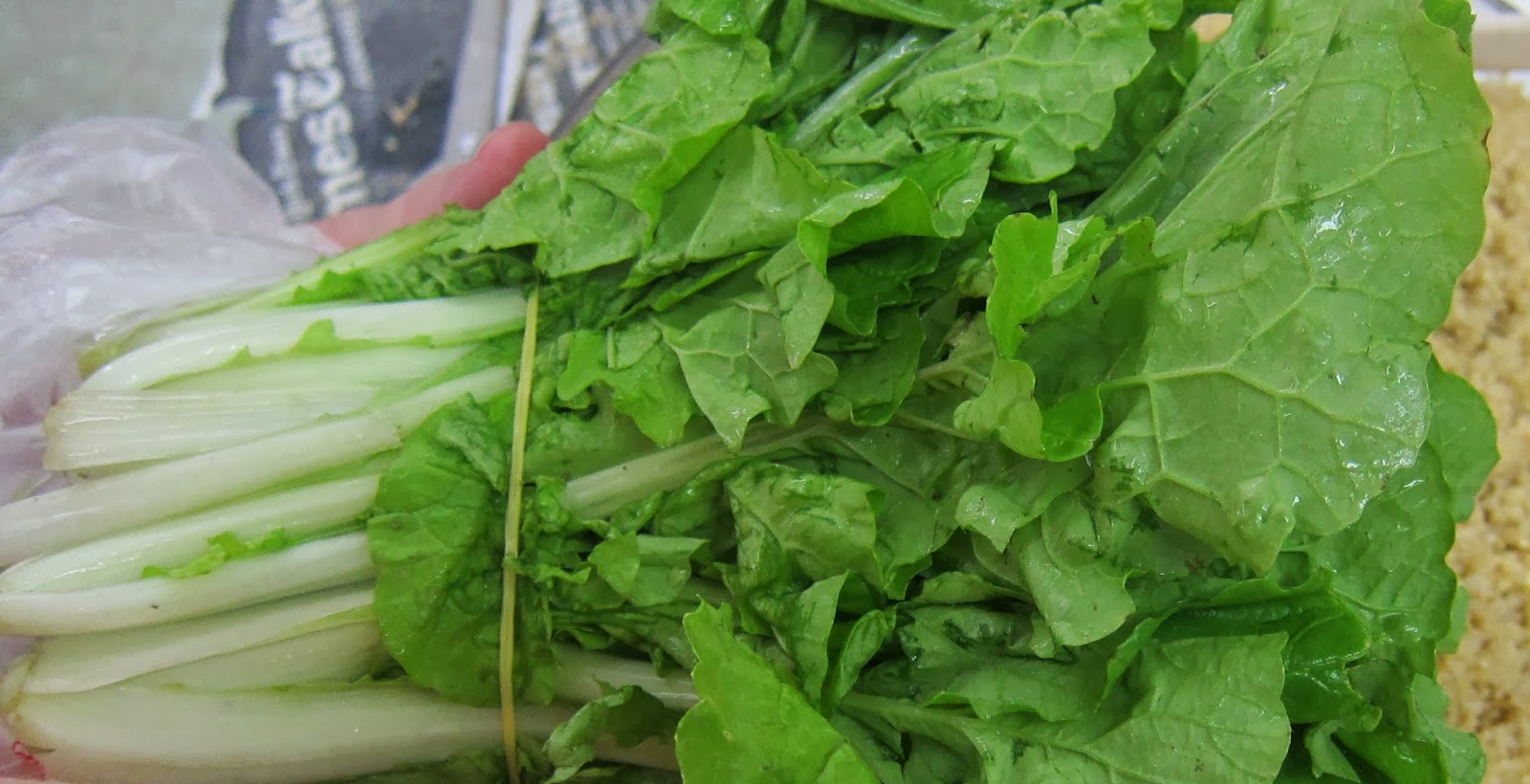
Greens From Asian Food Market


My favorite places to shop for bird greens in Wichita Kansas is Kim Son Asian Food Market. This one, my favorite, reminds me of a bok choy but has lots of leaves to the amount of stem.
 

I often buy this one too as it also has lots of leaves to the amount of stem. Perhaps a blogger can name these excellent greens for me?


Here some Border Canaries enjoy the greens I bought this morning at the market.


Saturday, September 28, 2013

Life Threatening Pasted (Caked) Vent


It is important to catch a pasted (caked) vent early because as the excrement accumulates the vent will become totally blocked preventing defecation and in time the bird unable to defecate will die.

The signs may be as subtle as seeing a bird stay on the cage floor or dropping its wings or noticing a small mass in the vent area or the bird may be straining while moving its rump up and down trying to relieve itself. Taking care of it promptly is important but before removing the mass note its color and whether or not there is an odor.

To prevent vent injury carefully rinse the area with water and remove the mass. When the dried excrement and associated feathers have formed a solid mass that partially or totally prevents defecation, once removed, the bird will promptly produce a voluminous stool because of all the obstruction.

Numerous infectious agents including bacteria, yeast, fungi or parasites as well as dietary issues can cause a pasted vent. If the color is dark green the starving bird may have a yeast (Candida) infection or if the mass is hard and black colored it may have a low grade megabacteria infection. A creamy color indicates urates (urine).

If the caked dropping reveals a sweet or pungent smell, bacterial infections such as E. coli, Clostridial, Streptococcus or yeast infection may be the cause. If there is no unusual color or odor, as was the case with this bird, I looks for dietary causes. Photo colors are off a bit as it was cream colored and not yellowish.

Is the bird losing weight? Have you changed the amount or kinds of extras? Are you feeding too many rich seeds especially Flax or possibly Sunflower chips?

I have put it on Dr. Rob Marshall of Australia's KD Powder in its water for a couple of weeks and added soft bread twice a day, unlimited oatmeal or steel cut oats, dry Biodecken novafood (nestling food) and eliminated flax and greatly reduced sunflower chips and  offering couscous with quinoa and extra poppy seeds which helps naturally stop diarrhea.

Update October 5, 2013
After starting on KD Powder and dietary changes, no more caked vent and the bird seems in perfect health!